
For anyone who cans regularly, whether it's a few dozen jars of tomato sauce each summer or a full pantry of preserved goods year-round, buying canning jars one small case at a time gets expensive fast. Purchasing canning jars in bulk is one of the easiest ways to cut cost per jar, but it only pays off when it's done with a little strategy. Denali Canning works with home canners and small producers who want to buy smart, not just buy more.
Bulk buying sounds simple on the surface: order more, spend less per unit. In practice, there are a few details that determine whether a bulk canning jar purchase actually saves money or just ties up cash and shelf space in jars that sit unused for a season.
Why Buying in Bulk Makes Sense
The math behind bulk canning jars is straightforward. Retail prices on small packs of jars almost always carry a premium for packaging, shipping, and handling per unit. When jars are purchased in larger quantities, that per-jar cost drops, sometimes significantly, especially for standard sizes like quart and pint jars that get used season after season.
For anyone who cans multiple batches a year, whether it's jams, pickles, salsas, or stock, the savings add up quickly. A grower with a large garden, a family that preserves produce from a CSA box, or a small food business scaling production can all benefit from ordering ahead rather than restocking every few weeks. Denali Canning's bulk options are built with exactly this kind of repeat, high-volume canner in mind.
Bulk buying also reduces the number of times someone has to think about running out mid-batch. Few things are more frustrating than being elbow-deep in a canning session and realizing there aren't enough jars to finish the job.
What to Look for When Buying Bulk Canning Jars
Not all bulk jar purchases are created equal. Before buying, it helps to consider a few factors that affect both cost and usability.
- Jar size mix. Buying only one size can be limiting. A mix of pints and quarts covers more recipes without needing a second order later.
- Compatibility with lids and rings. Standard-mouth and wide-mouth jars require different lids, so it's worth confirming compatibility with existing mason jar rings before ordering a large batch.
- Glass quality and thickness. Bulk pricing shouldn't come at the cost of durability. Jars that are prone to cracking during processing end up costing more in replacements than they saved upfront.
- Storage space. Bulk orders take up real shelf space, so it helps to plan storage, including a sturdy rack for canning jars, before a large shipment arrives.
- Reorder frequency of consumables. Jars can be reused for years, but lids typically can't. Pairing a jar order with a supply of bulk canning lids upfront avoids a second purchase mid-season.
Buying with these factors in mind turns a bulk order into a long-term investment rather than a pile of jars that don't quite fit the way canning actually happens in someone's kitchen.
Building Out a Full Canning Supply Kit
Jars are only one part of a functional canning setup. Anyone buying in bulk is usually better off thinking about the full list of canning supplies needed for a smooth process, rather than ordering jars in isolation.
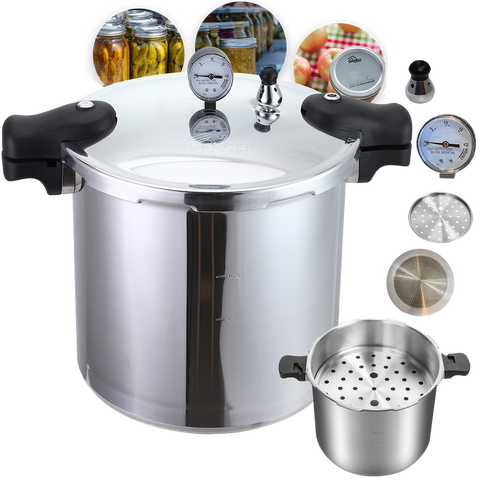
A proper rack for canning jars keeps jars stable and evenly spaced during water bath or pressure canning, which reduces the risk of cracked glass from jars knocking together. Mason jar rings, which are reusable across many canning seasons, are worth having in surplus since they're inexpensive and easy to lose track of between uses. Rounding out a kit with a wide-mouth funnel, a jar lifter, and a bubble remover tool makes the entire process faster and less messy, especially when working through a large bulk batch in a single session.
Denali Canning's approach to supplies is built around this bigger picture. Rather than treating jars as a standalone purchase, the goal is helping canners build a complete, dependable setup that holds up season after season.
How to Avoid Overspending on Bulk Orders
The easiest way to overspend on bulk canning jars is buying more than will realistically get used within a reasonable timeframe. Jars don't expire, but tying up money in cases that sit untouched for two or three years isn't the savings it looks like on paper.
A better approach is estimating actual annual usage first. Someone who cans fifteen batches a year needs a very different order size than someone canning three or four times. Buying enough for one to two seasons ahead usually hits the sweet spot between meaningful bulk savings and not overcommitting cash to inventory that isn't needed yet.
It's also worth comparing bulk pricing tiers rather than assuming the largest available quantity is automatically the best deal. Sometimes a mid-size bulk order offers nearly the same per-jar savings as the largest tier, without requiring the same upfront spend or storage commitment.
Closing Line
Buying canning jars in bulk is one of the simplest ways to lower the cost of a hobby or small business that depends on quality glass, reliable lids, and consistent supplies. The savings are real, but they only show up when the order matches actual canning habits rather than guesswork. Denali Canning helps canners plan smarter bulk orders, from jar size mix to lids, rings, and racks, so every purchase supports the way canning actually happens at home. For anyone ready to stop paying retail prices one small case at a time, a well-planned bulk order is worth the upfront thought.
Frequently Asked Questions
Are bulk canning jars cheaper per unit than retail packs?
Yes, in most cases. Bulk orders reduce packaging and shipping costs per jar, lowering the overall price per unit compared to buying small retail packs repeatedly throughout a canning season.
How many jars should I buy in bulk?
This depends on how often someone cans each year. A good rule of thumb is estimating one to two seasons of usage, which balances real savings without overcommitting money or storage space.
Do bulk jars come with lids and rings included?
Not always. Many bulk jar orders include jars only, so it's worth confirming compatibility and ordering mason jar rings and lids separately if they aren't bundled with the jar purchase.
What size mix works best for bulk canning jars?
A combination of pint and quart jars typically covers the widest range of recipes, from jams and sauces to pickles and stock, without requiring a second size-specific order later.
Do I need a special rack for bulk canning jars?
A dedicated rack for canning jars helps keep jars stable and prevents cracking during processing. It becomes especially useful when working through larger bulk batches in one canning session.



Comments (0)
There are no comments for this article. Be the first one to leave a message!