
Home preservation is experiencing a genuine resurgence, and for good reason. Taking control of what goes into a jar, extending a harvest across the full year, and building a pantry that does not depend on a grocery run all appeal to people who value both self-sufficiency and quality. But the results depend entirely on the equipment behind the process. Choosing the right canning tools before starting saves significant frustration and, more importantly, produces results that are both safe and repeatable. This guide covers what actually matters, in the order it matters.
Why Canning Tools Make or Break the Entire Process
The gap between a successful canning session and a failed one almost always traces back to equipment rather than technique. A jar that did not seal properly, a batch where the rack shifted and jars cracked against each other, a burned hand from lifting without the right grip - these are not random outcomes. There are predictable consequences of using the wrong tools or skipping items that experienced canners treat as non-negotiable.
Canning materials fall into two categories: what processes the food safely and what makes the physical work of canning manageable without injury or error. Both categories matter. A home preserver who has the right pressure canner but no jar lifter will find that a missing three-dollar tool can turn a productive canning day into an awkward and potentially dangerous one. The equipment list is not long, but each item on it has a specific job.
Denali Canning approaches its product selection with exactly that understanding. Every item in the range is there because it solves a real problem in the canning process rather than filling shelf space with redundant options.
The Core Canning Tools That Every Setup Needs From Day One
Jar lifter. This is the single most important hand tool in any canning setup. Lifting sealed, water-filled jars from a boiling water bath or pressure canner without a proper jar lifter means working around heat and unstable grip simultaneously. A quality jar lifter grips the jar firmly below the rim without touching the lid seal, which protects both the preserver and the jar's integrity through the lift.
Wide-mouth funnel. Filling jars without spilling or contaminating the rim is harder than it looks without the right funnel. A canning funnel sized for both regular and wide-mouth jars keeps the rim clean during filling, which directly affects seal reliability. A contaminated jar rim is one of the most common reasons a lid fails to seal correctly.
Headspace tool and bubble remover. Headspace, the space between the food and the lid, is a critical safety variable in pressure canning and affects seal quality in water bath canning as well. A dedicated headspace measuring tool combined with a bubble remover paddle ensures the measurement is accurate and that trapped air pockets are released before the lid goes on. Improvising with a butter knife works until it doesn't.
Lid wand or magnetic lid lifter. Keeping sterilized lids sanitary during transfer to a hot jar requires a magnetic wand rather than fingers. This tool costs almost nothing and removes a contamination risk that is easy to overlook when working quickly during a busy canning session.
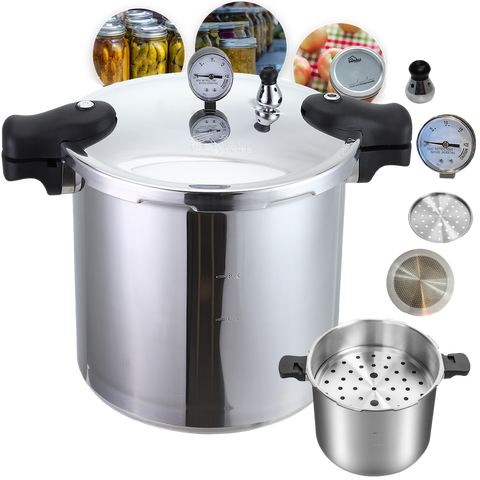
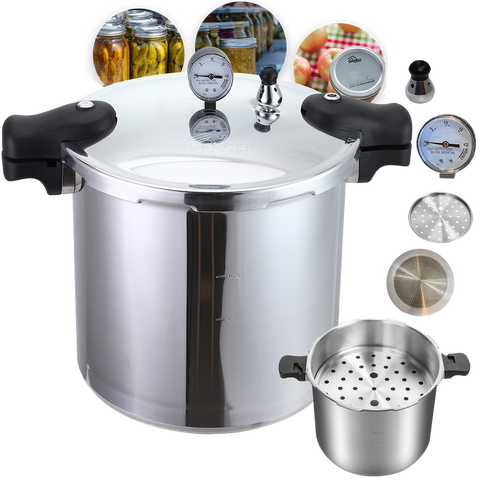
Canning rack. A rack for canning sits at the bottom of the water bath pot and serves two essential functions. It keeps jars elevated off direct heat, which prevents thermal shock cracking, and it ensures water circulates completely around every jar during processing. Skipping a rack and placing jars directly on the pot bottom is one of the more common beginner mistakes and a reliable source of cracked jars. Supplies for canning always start with a proper rack because every other step builds on top of it.
Canning Materials That Extend Equipment Life and Protect Results
Beyond the tools themselves, the canning materials used alongside them determine how long the equipment lasts and how consistently results hold up across multiple seasons.
Canning lids and bands. Lids are single-use by design. Reusing a previously sealed lid introduces an unknown seal surface that may not perform reliably, and the cost of a bad batch far exceeds the cost of fresh lids. Bands can be reused as long as they show no rust or warping, but lids should be new for every batch.
Jar cleaner and sanitizer. Jars need to be hot when they are filled to prevent thermal shock when they enter the processing water. Running jars through the dishwasher or keeping them in simmering water before use is standard practice. The materials used to clean them matter because soap residue can affect both flavor and seal performance.
Replacement gaskets for pressure canners. A pressure canner gasket that has hardened or cracked will not maintain a proper seal, which means pressure readings are unreliable and the food inside may not reach the temperature required for safe processing. Keeping replacement gaskets on hand as a standard canning item means a single worn seal does not shut down an entire harvest day.
Denali Canning stocks replacement components alongside its core canning items specifically because experienced canners know that the tool is only as good as the part that wears out first. Having the right replacement on hand is part of professional-level preparation, not excessive caution.
Choosing Canning Items That Work Across Multiple Methods
Not every canning tool is compatible with every canning method, and building a setup that handles both water bath and pressure canning requires a small amount of planning upfront.
The rack for canning is one item where compatibility matters directly. A rack designed for a water bath canner may not fit correctly inside a pressure canner, and vice versa. Measuring both vessels before purchasing a replacement rack saves the frustration of discovering the mismatch mid-session. Denali Canning offers racks sized specifically for its canner range, which removes that calculation from the setup process.
Jar lifters, funnels, and headspace tools are largely universal across canning methods and jar sizes. Investing in quality versions of these canning tools once rather than replacing cheaper versions repeatedly is the more economical approach over multiple seasons. The handles on a poor-quality jar lifter wear out or loosen at exactly the moment they should not, which tends to be when the jar is full and hot.
Build Your Setup Right
Essential Canning Tools From Denali Canning
Every item below solves a specific problem in the canning process. None of them are optional once you understand what each one does.
Jar Lifter
Grips below the rim seal to lift hot jars safely from boiling water without any grip issues.
Wide-Mouth Funnel
Keeps jar rims clean during filling to protect seal reliability on every single batch.
Headspace Tool
Measures accurate headspace and removes air bubbles before the lid goes on the jar.
Magnetic Lid Wand
Transfers sterilized lids to hot jars without contaminating the seal surface with bare hands.
Rack for Canning
Elevates jars off direct heat and ensures full water circulation around every jar being processed.
Replacement Gaskets
Worn gaskets make pressure readings unreliable. Keeping spares on hand protects every batch.
Canning Lids
Single-use lids ensure a clean, reliable seal surface on every jar every time without compromise.
Tool Starter Kit
All core canning items bundled together so beginners start with everything they need from day one.
Free Shipping Available on Qualifying Orders at Denali Canning
Canning tools • Racks • Lids • Replacement parts • Starter kits
Conclusion
Getting the right canning tools assembled before the first jar goes into the pot is one of the most practical decisions a home preserver can make. The list is not complicated, but each item on it contributes directly to safety, efficiency, and repeatable results. Denali Canning builds its product range around that reality, stocking the tools, materials, and canning items that work across methods and seasons rather than filling space with products that solve problems nobody actually has. When the equipment is right, the process works. When the process works, the results are worth filling the pantry with.




Comments (0)
There are no comments for this article. Be the first one to leave a message!