
Starting a canning hobby can feel overwhelming before a single jar ever hits the stove. Between conflicting advice online and rows of unfamiliar tools at the store, it's easy to either overbuy or miss something essential on the very first attempt. The good news is that home canning doesn't require a mountain of equipment to get started safely and successfully. It just requires the right basics, chosen with a little intention. Denali Canning works with a lot of first-time canners, and the same short list of supplies comes up again and again as the foundation for a smooth start.
Getting the essentials right from day one makes the difference between a frustrating first batch and a canning habit that actually sticks.
The Core Canning Equipment Every Beginner Needs
Before worrying about specialty gadgets, it helps to nail down the non-negotiables. A proper canner, either a water bath canner for high-acid foods like jams and pickles, or a pressure canner for low-acid foods like vegetables and meats, is the true starting point. Choosing the wrong type for the food being preserved is one of the most common beginner mistakes, so understanding which method applies to a given recipe matters just as much as owning the equipment itself.
Beyond the canner, a short list of canning equipment and supplies rounds out the basics: glass canning jars in a couple of common sizes, new lids, reusable rings, a jar lifter, a wide-mouth funnel, and a bubble remover tool. None of these need to be expensive or elaborate. They just need to work reliably, which is where quality matters more than quantity for a first setup.
Home Canning Products Worth Prioritizing First
For anyone assembling their first kit, prioritizing a few home canning products over trying to buy everything at once tends to prevent both overspending and clutter. Jars and lids come first, since nearly every recipe depends on them. A reliable canner comes second, chosen based on what type of food will be preserved most often. After that, smaller tools like a magnetic lid wand, a canning funnel, and a jar lifter round things out without adding unnecessary cost upfront.
It's tempting to buy every gadget marketed toward new canners, but most beginners find that a lean, well-chosen set of supplies for canning covers the vast majority of recipes they'll actually attempt in their first year. Specialty tools can always be added later once a specific need becomes clear.
Choosing the Right Canner for the Job
This is where a lot of new canners get stuck, and understandably so. Water bath canning works for high-acid foods like fruit preserves, pickles, and most tomato-based recipes. Pressure canning is required for anything low-acid, including most vegetables, meats, and soups, since it's the only method that reaches temperatures high enough to eliminate the risk of botulism in these foods.
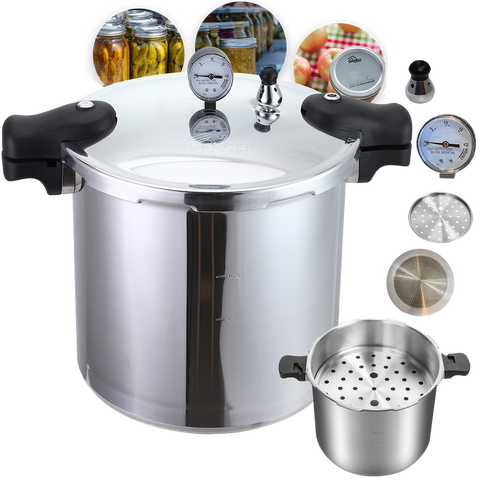
For those planning to can a wide variety of foods, a versatile option like the Denali Tanker canner offers the flexibility to handle both large-batch water bath processing and heavier-duty canning needs as skills grow. Starting with a canner that can grow alongside a hobby often saves a second purchase down the road.
Jars, Lids, and Canning Tools That Actually Hold Up
Not all canning tools are created equal, and this is especially true for lids. Beginners sometimes assume any lid will seal properly, but using mismatched or low-quality lids is one of the fastest ways to end up with failed seals and wasted batches. Starting with a dependable, properly sized lid, like those from Denali Canning's lid lineup, removes one of the more common points of failure for new canners.
Jars themselves are typically reusable for years as long as they're free of chips or cracks, which makes rings and lids the components that need more frequent replenishing. Investing a little more in reliable canning materials upfront tends to prevent the frustration of opening a pantry months later to find a seal that didn't hold.
Building a Simple, Repeatable Canning Routine
Once the core supplies are in place, the process itself becomes far less intimidating. A repeatable setup, canner, jars, lids, rings, and a small set of hand tools, allows a beginner to focus on the recipe and process itself rather than second-guessing whether they have the right equipment each time. Many first-time canners find that after their second or third batch, the process starts to feel routine rather than overwhelming.
Keeping supplies organized and easy to reach, rather than scattered across different cabinets, also makes it far more likely that canning becomes a regular seasonal habit instead of a one-time experiment that never gets repeated.
Common Beginner Mistakes Worth Avoiding
Even with the right supplies in hand, a few habits trip up first-time canners more than anything else. Skipping the step of checking jar rims for chips before use is one of the most overlooked, since even a tiny nick can prevent a proper seal. Rushing through processing times is another common misstep, especially for pressure canning, where following exact times and pressures isn't optional, it's what actually makes the food safe to store.
It also helps to resist the urge to substitute unfamiliar tools for proper canning equipment. A regular kitchen pot isn't a substitute for a real canner, and a butter knife doesn't replace a proper bubble remover tool designed to avoid scratching jar interiors. These small details rarely feel important until a batch doesn't seal correctly, at which point it's usually easier to trace the issue back to a shortcut taken somewhere in the process.
Conclusion
Getting started with home canning doesn't require an intimidating shopping list or a steep learning curve. With the right canner, dependable jars and lids, and a small set of supporting tools, most beginners can put together everything they need in a single trip or order. Denali Canning has built its supply lineup with exactly this kind of beginner in mind, offering dependable, well-made basics that make that first batch, and every one after it, far less stressful to pull off.
Frequently Asked Questions
What canning supplies does a beginner actually need?
A beginner needs a canner suited to their recipes, glass jars, new lids, reusable rings, a jar lifter, a funnel, and a bubble remover tool to start canning safely and effectively.
Do I need a pressure canner to start canning?
Not necessarily. A water bath canner works for high-acid foods like jams and pickles, while a pressure canner is only required for low-acid foods like vegetables and meats.
How many jars should a beginner buy to start?
Starting with one to two dozen jars in common sizes, like pints and quarts, is usually enough to practice a few recipes without overcommitting to storage space.
Can I reuse canning lids from a previous batch?
No, canning lids are designed for single use since the sealing compound degrades after processing. Rings and jars, however, can typically be reused for years if undamaged.
What is the biggest mistake new canners make with supplies?
Using the wrong canner type for the food being preserved, or reusing old lids, are the two most common beginner mistakes that lead to failed seals or unsafe batches.




Comments (0)
There are no comments for this article. Be the first one to leave a message!