
Home canning has seen a genuine revival over the past few years, and it's easy to understand why. There's something deeply satisfying about filling a shelf with jars of preserves, pickles, and sauces made from scratch. But getting those results safely and consistently depends heavily on having the right canning tools in place before the first batch ever hits the stove. Missing even one key piece of canning equipment can mean wasted food, failed seals, or worse - a safety issue that could have been avoided entirely.
Here are ten essentials that belong in every serious home canner's kitchen.
1. A Large Canning Pot with a Lid
The foundation of any water bath canning setup is a pot large enough to fully submerge jars with at least an inch of water above them. Thin-bottomed stock pots can create hot spots and uneven processing, so look for something with a heavy base and a tight-fitting lid. Capacity matters - most canners process multiple jars at once, and a pot that's too small turns a straightforward session into a frustrating multi-hour project.
2. A Canning Rack
A rack for canning is one of those items that seems optional until it isn't. Jars sitting directly on the pot's bottom are exposed to direct heat, which can cause thermal shock and cracking. A canning rack holds jars off the bottom and allows water to circulate freely underneath - both of which are essential for even processing and jar integrity. Most standard racks also double as a lifting platform, making it easier to lower and raise multiple jars at once.
3. Jar Lifter
Once jars are hot and filled, handling them safely is non-negotiable. A jar lifter is a rubberized tong designed specifically to grip the neck of a canning jar securely. Regular kitchen tongs don't provide the same control and can slip at the worst possible moment. This is one of the most basic supplies for canning that pays for itself the first time it prevents a dropped jar of boiling jam.
4. Wide-Mouth Funnel
Filling jars cleanly and accurately is harder than it looks without the right tool. A wide-mouth canning funnel sits inside the jar opening and guides food in without spilling onto the rim - which matters because residue on the rim can prevent a proper seal. Stainless steel versions hold up well over years of use and are worth the small investment over cheaper plastic alternatives.
5. Lid Wand or Magnetic Lid Lifter
Lids need to stay clean and warm before they go onto jars, and handling them with bare hands transfers oils that can interfere with sealing. A magnetic lid wand lets canners retrieve lids from hot water without contact, keeping them clean and at the right temperature right up until the moment they're applied. It's a small tool with a surprisingly big impact on seal success rates.
6. Bubble Remover and Headspace Tool
Air bubbles trapped inside a jar can throw off headspace measurements and affect how the contents process. A bubble remover - usually a thin plastic or silicone tool - runs around the inside edge of the jar to release trapped air before the lid goes on. Many versions also include measurement markings on one end, making it a dual-purpose piece of canning equipment that earns its drawer space easily.
7. Kitchen Scale
Precision matters in canning, especially for tested recipes where ingredient ratios affect both flavor and acidity levels. A reliable digital kitchen scale removes the guesswork from measuring produce, sugar, and salt by weight rather than volume. For anyone serious about consistent results across batches, this belongs on the canning materials list alongside the jars themselves.
8. Pressure Canner
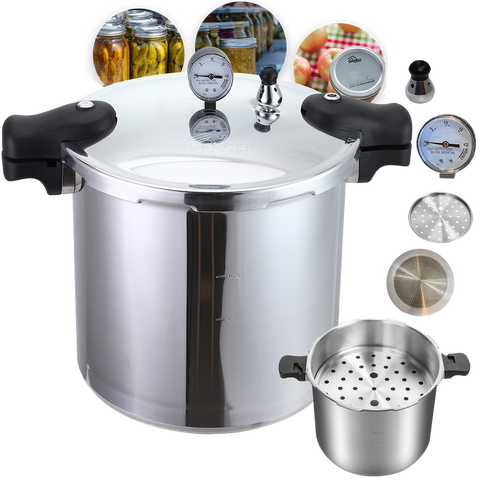
Water bath canning handles high-acid foods like tomatoes, fruits, and pickles. Low-acid foods - vegetables, meats, beans - require a pressure canner to reach the temperatures needed to eliminate botulism risk. For home canners who want to preserve a full range of foods, a quality pressure canner isn't optional. It's a different category of canning equipment from a standard pot, and it comes with its own learning curve that's worth mastering early.
9. Labels and Permanent Markers
A jar without a label is a mystery waiting to happen. Once jars are sealed and cooled, clear labeling with the contents and processing date keeps the pantry organized and ensures older stock gets used first. This is one of those canning items so simple it gets overlooked - until someone opens a jar of mystery green sauce six months later with no idea what's inside.
10. A Reliable Reference Guide
Every home canner needs a tested, trusted source for processing times, headspace requirements, and safe canning ratios. The USDA Complete Guide to Home Canning and the Ball Blue Book are both widely used and regularly updated. Following tested recipes isn't just good practice - it's what separates safe home canning from a genuine health risk.
Stocking Up the Right Way
Building out a canning setup doesn't have to happen all at once. Starting with the basics - a pot, rack, jar lifter, and funnel - and adding tools as needs grow is a practical approach for beginners. Denali Canning carries a well-curated selection of canning tools and supplies designed for home canners who want quality equipment without having to piece together a setup from multiple sources. Having reliable canning materials from the start makes every session cleaner, safer, and more enjoyable.
Good canning is as much about preparation as technique. The right tools don't just make the process easier - they make the results something worth being proud of.
Frequently Asked Questions
1. What are the most important canning tools for a beginner?
A large canning pot, a rack for canning, a jar lifter, and a wide-mouth funnel cover the basics. These four items handle the most critical steps - safe processing, jar handling, and clean filling - for most beginner water bath canning projects.
2. Is a pressure canner the same as a pressure cooker?
No. Pressure cookers are designed for speed cooking and don't maintain the sustained pressure levels required for safe canning. A dedicated pressure canner is built to hold precise pressure consistently throughout the processing time required for low-acid foods.
3. How long do canning tools and equipment typically last?
Most quality canning equipment lasts many years with proper care. Jars and metal bands are reusable; lids should be replaced each season. Rubber components on jar lifters and gaskets on pressure canners should be inspected regularly and replaced when worn.
4. Can regular kitchen tools substitute for proper canning equipment?
Some can, but with limitations. Regular tongs lack the grip control of a jar lifter, and standard pots may not provide even enough heat distribution. Using the right canning items reduces risk and improves results significantly compared to improvised substitutes.
5. Where is the best place to buy quality supplies for canning?
Specialty canning retailers and well-stocked kitchen stores carry reliable equipment. Online sources with clear product descriptions and customer reviews are also useful. Look for brands with a track record in home preservation rather than general-purpose kitchenware marketed as canning supplies.




Comments (0)
There are no comments for this article. Be the first one to leave a message!